No Foreign Transaction Fee Credit Cards in Canada: The Full List
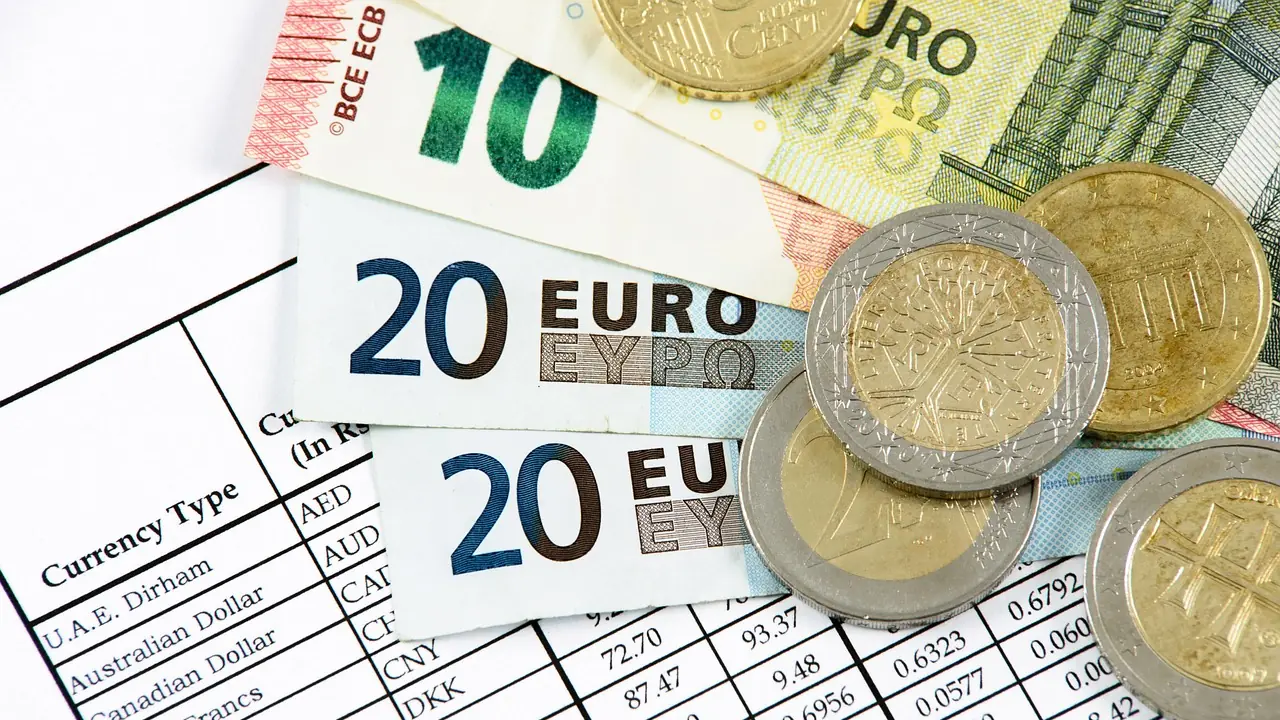
Use a typical Canadian credit card abroad, or on a website that charges in U.S. dollars, and the issuer adds a foreign transaction fee on top of the exchange rate. On most cards it's 2.5% of every purchase. A handful of cards charge nothing.
This page lists every card in our directory with no foreign transaction fee. The table is built from our teardowns, so it updates when a card changes.
Which Canadian credit cards have no foreign transaction fee?
| Card | Annual fee |
|---|---|
| Scotiabank Gold American Express Card | $120.00 |
| Scotiabank Passport Visa Infinite+ Card | $150.00 |
| Scotiabank Passport Visa Infinite Business Card (business) | $199.00 |
| Wealthsimple Visa Infinite + Credit Card | $240.00 ($20.00/mo) |
| Wealthsimple Visa Infinite Privilege Credit Card | $240.00 ($20.00/mo) |
| Scotiabank Platinum American Express Card | $399.00 |
| Rogers Red World Legend Mastercard | $495.00 |
| Scotiabank Passport Visa Infinite Privilege Card | $599.00 |
8 of the 139 cards CardTruth tracks. Built from each card's teardown, so it updates when a card changes.
Each card links to its teardown, which shows the foreign currency clause from the cardholder agreement, the annual fee and the rest of the fine print.
How much does a foreign transaction fee cost?
The fee is charged on the Canadian-dollar amount of each purchase. At 2.5%:
- a $3,000 trip costs about $75 in fees
- $100 a month in U.S.-dollar subscriptions costs about $30 a year
It applies anywhere the charge is in a foreign currency: hotels, restaurants and shops abroad, and online stores, apps and software billed in U.S. dollars.
Is a no-FX-fee card worth its annual fee?
Most no-FX-fee cards charge an annual fee, so the saving has to cover it. Divide the annual fee by 2.5% to find the foreign spending where they break even. A $150 annual fee, for example, pays for itself at about $6,000 a year in foreign-currency purchases from the fee alone.
Below that, a no-fee card that earns rewards can still come out ahead. The fee waiver is one benefit among several, alongside travel insurance, lounge access and the earn rate, so compare the whole card on our Compare page.

What to check before you travel
- Refunds are converted again. Many agreements convert a refund at the exchange rate on the day it posts, and some charge the fee on refunds too. A returned purchase can leave you slightly out of pocket.
- Always pay in the local currency. If a terminal or website offers to charge you in Canadian dollars, decline. That's dynamic currency conversion, and the merchant's rate is usually worse than your card's, even on a card with no FX fee.
- Check where the card is accepted. Several no-FX-fee cards are American Express cards, which fewer merchants abroad accept. Carry a Visa or Mastercard as a backup.
- Consider a U.S.-dollar card for U.S. spending. If you spend in U.S. dollars often, a U.S.-dollar card such as the TD U.S. Dollar Visa bills you in U.S. dollars with no conversion at all.
Frequently asked questions
Does Costco or Amazon charge a foreign transaction fee? Not when the merchant bills in Canadian dollars. The fee applies to the currency of the charge, not where the company is based.
Do no-FX-fee cards use a better exchange rate? No. They use the card network's rate, as other cards do. The difference is only the added fee.
Can I avoid the fee on a card that charges it? Only by paying in Canadian dollars, which usually means accepting a worse exchange rate. A card with no fee is the reliable way.
Want a card matched to your own spending, including foreign purchases? Try Card Match.